プロペシアは通販で安く購入しよう!
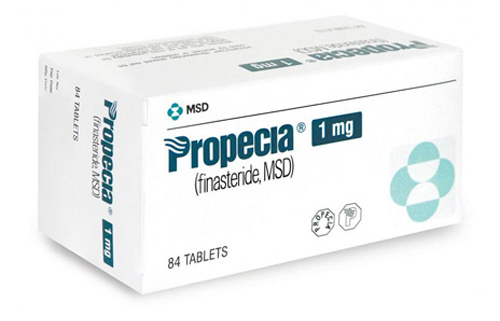
薄毛が気になり、AGA治療をおこないたいと考えた人なら、「プロペシア」という医薬品を聞いたことがあると思います。
プロペシアは日本皮膚科学会で推奨されているAGA治療薬で、世界で初めて承認された男性用の薄毛治療薬です。
主にクリニックで処方されていますが、通販でも購入できるんです。
ただ、Amazonや楽天といった通販サイトでは買えず、海外の個人輸入サイトから購入します。
ここでプロペシアを販売しているオススメの個人輸入サイトを一覧表にしてみたのでご紹介いたします。
| サイト名 | ネットのくすり屋さん | 薬の通販オンライン | あんしん通販マート | お薬通販部 |
|---|---|---|---|---|
 |
 |
 |
 |
|
| 1ヵ月分 | 7,740円 | 8,180円 | 7,980円 | 7,500円 |
| 2ヵ月分 | 14,700円 | 14,724円 | 14,524円 | 14,250円 |
| 3ヵ月分 | 20,100円 | 21,350円 | 20,828円 | 20,250円 |
| 1錠あたり | 276円 | 292円 | 285円 | 267円 |
 購入する
購入する 購入する
購入する 購入する
購入する 購入する
購入するプロペシアの種類は?
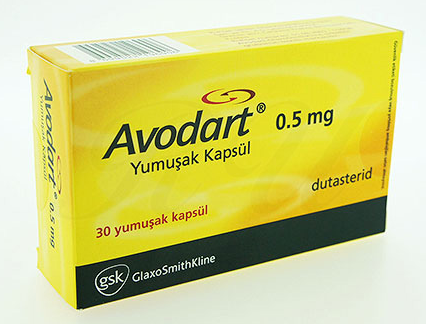
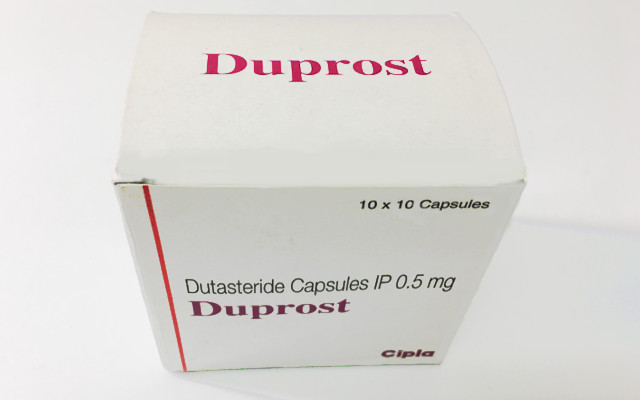
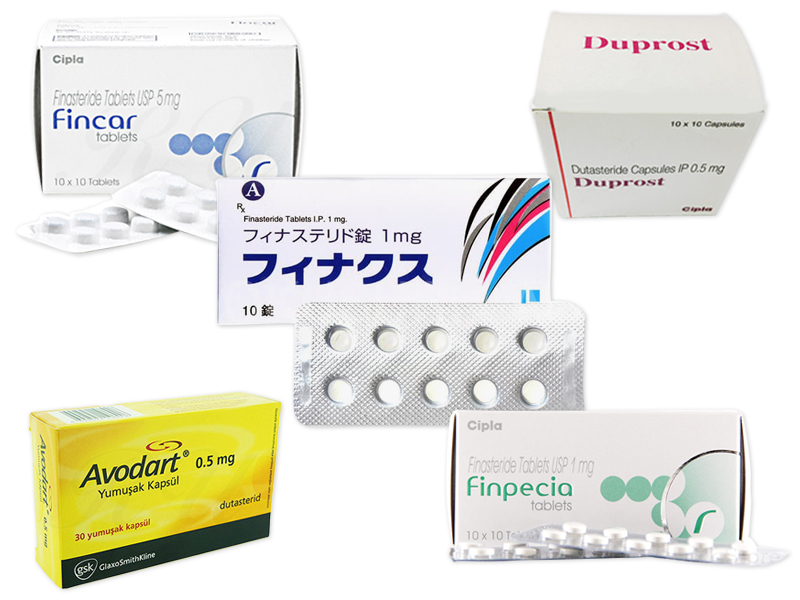
プロペシアは特許が切れているので、同じ有効成分「フィナステリド」を使用して、他の製薬会社が違うジェネリック医薬品として安く販売しています。
なぜ安く販売できるのかというと、すでに効果があると判明しているフィナステリドを使用しているので、研究費や開発費がかからずに安く販売できるのです。そんなプロペシアジェネリックですが、いくつも種類があるのでオススメのものをご紹介したいと思います。
フィンペシア
プロペシアのジェネリック医薬品の中でも有名で、かなり販売されている商品です。
値段の安さからプロペシアから乗り換える人が続出しています。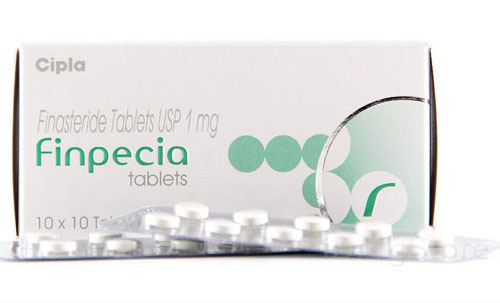
| サイト名 | ネットのくすり屋さん | 薬の通販オンライン | あんしん通販マート | お薬通販部 |
|---|---|---|---|---|
|
|
|
|
|
| 30錠 | 1,350円 | なし | なし | 1,300円 |
| 100錠 | 4,250円 | 3,980円 | 3,980円 | 4,120円 |
| 200錠 | 20,100円 | 21,350円 | 20,828円 | 20,250円 |
| 1錠あたり | 45円 | 40円 | 40円 | 43円 |
1ヵ月分ならお薬通販部、2ヵ月分からは薬の通販オンラインがお得になっています。
フィナクス
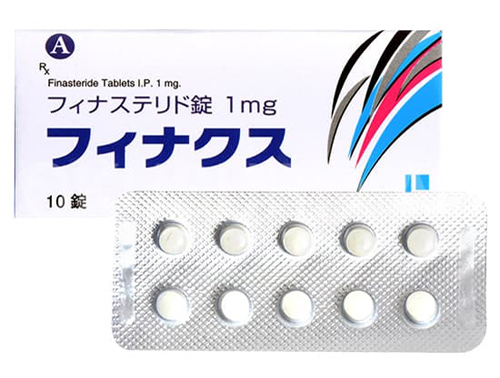
フィナクスは開発の一部に日本人がかかわっていたプロペシアジェネリックで、日本人の体質や体格に合わせて作られています。
そのため副作用は抑えられていながら、プロペシアと同じ作用を感じられるので、初めて使用する人にピッタリなオススメのAGA治療薬です。
| サイト名 | ネットのくすり屋さん | 薬の通販オンライン | あんしん通販マート | お薬通販部 |
|---|---|---|---|---|
|
|
|
|
|
| 1ヵ月分 | 1,280円 | なし | なし | 1,610円 |
| 2ヵ月分 | 2,460円 | なし | なし | 3,060円 |
| 3ヵ月分 | 3,600円 | なし | なし | 4,340円 |
| 1錠あたり | 42円 | なし | なし | 53円 |
| なし | なし |
フィンペシアと比べても値段は安くなっていて、ネットのくすり屋さんが一番お得に購入できるようです。
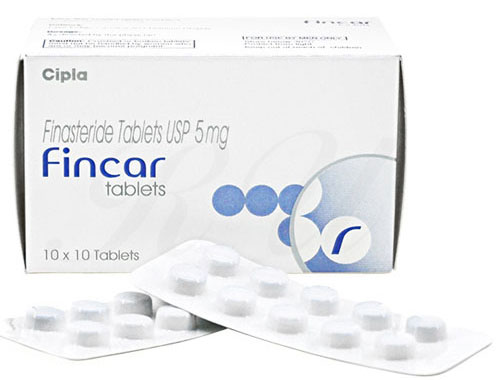
フィンカー
インドのシプラ社が開発したプロペシアジェネリックで、プロペシアの約半額ほどで購入できます。
値段は安いですが、有効成分は同じものなので、プロペシアと高いと感じている人なら、乗り換えを考えて良いでしょう。
| サイト名 | ネットのくすり屋さん | 薬の通販オンライン | あんしん通販マート | お薬通販部 |
|---|---|---|---|---|
|
|
|
|
|
| 1ヵ月分 | 2,700円 | なし | なし | 2,730円 |
| 2ヵ月分 | 5,130円 | なし | なし | なし |
| 3ヵ月分 | 8,500円 | なし | なし | 8,650円 |
| 1錠あたり | 90円 | 70円 | 60円 | 91円 |
薬の通販オンラインと安心通販マートは200錠からの販売となっていました。
1か月分から始めるなら、ネットのくすり屋さんがお得のようです。
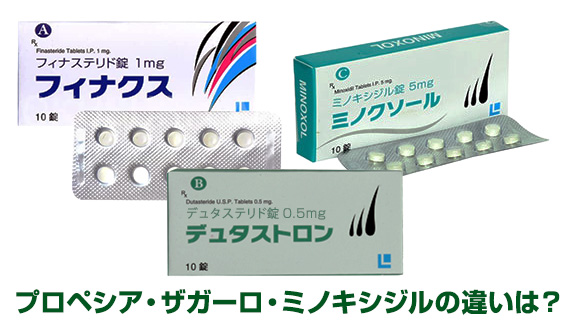
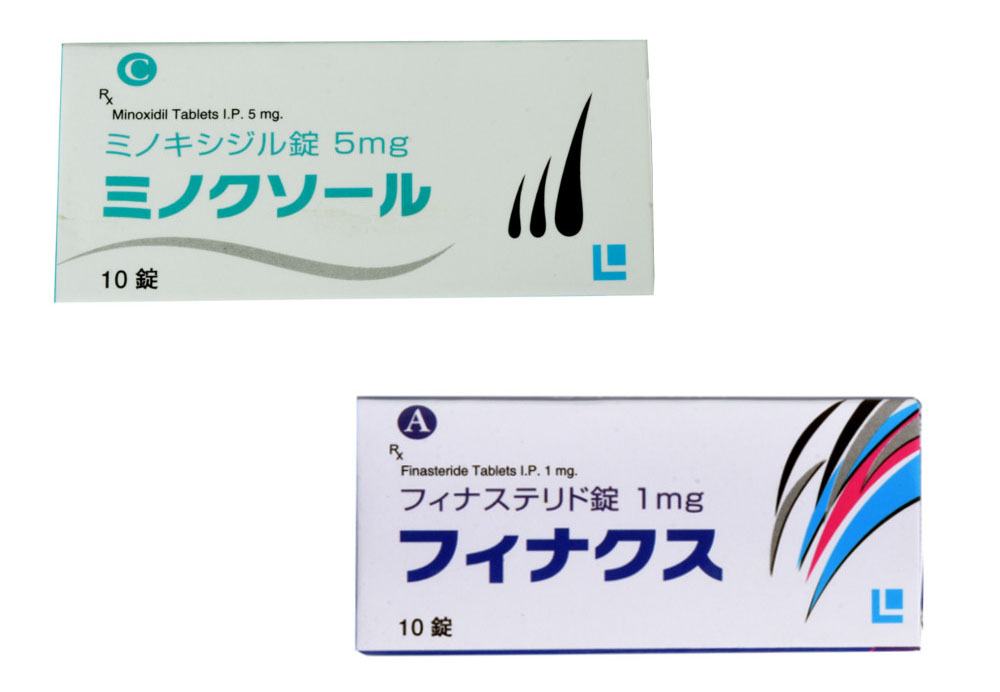
併せて使うと効果倍増ミノキシジルとのセット
プロペシアは抜け毛を防いで、ヘアサイクルを整ることで髪を太くして増やします。
そこに、発毛、育毛を促すミノキシジルをプラスすると、さらに強いくたくましい髪が増えて、若々しくフサフサになることでしょう。
そんな育毛にオススメのセットをご紹介します。
| 3ヵ月 | 6ヵ月 | |
|---|---|---|
| 錠数 | 180錠 | 360錠 |
| 値段 | 6,000円 | 10,000円 |
| 販売サイト |
プロペシアの注意点

AGA治療にプロペシアが有効ではありますが、注意しておいた方が良い点もあるのでご紹介します。
初期脱毛
よくプロペシアを飲んだら抜け毛が増えたという話を聞きますが、それは「初期脱毛」が起こっている証拠です。
初期脱毛はヘアサイクルを整えるために、今ある弱った髪の毛を落とす現象です。
そのため抜け毛が増えたと勘違いしてしまう人がいるyのですが、健康で強い髪を生やす準備だと思って下さい。
初期脱毛の期間は人によって違い、だいたい1~3ヵ月と言われています。
始めにゴッソリ抜ける人や、じわじわと抜けていく人もいるそうです。
ただ、3ヵ月以上経っても抜け毛が減らないようなら、プロペシアが合っていない可能性があるので注意しましょう。
国内産のジェネリック
現在国内のクリニックではプロペシアのジェネリック医薬品もさまざまな種類が処方されています。
そのため、楽天やAmazonなどの通販で購入しようと検索している人も多くいらっしゃると思います。
しかし、一番始めにも書きましたが、楽天やAmazonなどの通販サイトではプロペシアジェネリックは購入できません。
これは、プロペシアやそのジェネリック医薬品は処方箋が必要だからです。
ネットで購入できるのは、個人輸入サイトだけなのです。
プロペシアは安全?
上記でも書きましたが、プロペシアは公益社団法人日本皮膚科学会が推奨しているAGA治療薬で、その推奨度はAを獲得しています。
詳しくは男性型および女性型脱毛症診療ガイドライン 2017 年版にて確認してみて下さい。
まさに医師のお墨つきなので、初めてAGA治療をおこなうならプロペシアからはじめてはいかがでしょうか?
プロペシアの作用や臨床試験

プロペシアは、抜け毛の原因となる男性ホルモンの「テストステロン」と「5αリダクターゼ」が結合するのを防ぎます。
この5αリダクターゼには、Ⅰ型とⅡ型があり、プロペシアはこのうちのⅡ型に作用し、抜け毛を防いで髪を強く育毛していきます。
飲み始めて早い人で3ヵ月、ほとんどの人は半年ほど使用してやっと効果が実感できるといった感じです。
また、プロペシアは飲み続けることでその効果が上がっていくという臨床試験があります。
製造元のMSDの臨床試験では、なんと3年の使用で78%の人が改善し、20%の人が現状維持できているという結果がでているのです。
| 改善率 | 維持率 | |
|---|---|---|
| 1年後 | 58% | 40% |
| 2年後 | 68% | 31% |
| 3年後 | 78% | 20% |
使った人の口コミ

効果を感じた人が98%とは、プロペシアで改善している人はかなりいそうですね。
ここで実際に使った人の感想を確認してみましょう。
引用:https://okusuritsuhan.shop/item-detail.php?pid=115プロペシアが世に出てきた時、自分にはまだまだ関係ないと思っていたけど。
今はお世話になっています!噂通り、髪の毛にハリが出てきた気がします。まだまだ続けていきます!
引用:https://stopsoftwarepatents.org/cat-12/pro-20/rev-2禿げている部分に変化はありませんが、髪の質が確実に若々しく変化しているのが分かります。
艶が出て太くなり、よれよれがストレートに変わりました。
この変化で10歳は若返ることができました。薬には相性があるのでこのように変化するとは限りませんが、私のようにピタリと合うと急に変わっていくことがあります。
プロペシアという合う薬に出会えて本当によかったと思います。
引用:https://www.idrugstore.jp/product/49976/reviewプロペシアを飲み続けて1年半になります、おかげで毛髪が明らかに太くなり、密度もアップしました。
飲み始め1ヶ月程度は初期脱毛で不安になりましたが、2ヶ月目から効果が現れ半年程度で髪の毛が薄くなる前の7割程度まで回復し、とても満足な結果が出てます。
やはり、改善したという人が多いように感じます。
クリニックでも処方しているプロペシア

プロペシアを購入しようと考えた時に、一番初めに思い浮かべるのはクリニックではないでしょうか?
実際にクリニックではプロペシアや、プロペシアジェネリックは処方してもらえます。
ではクリニックではどのように、いくらぐらいで処方されているのでしょうか?
クリニックはどうなのか?
クリニックでは、診察をおこない、その人にあった処方やアドバイスをしてくれます。
また、扱っているAGA治療薬も正規品なので、安心して利用できるでしょう。
クリニックによってはさまざまな治療をおこなっているので、プロペシアを飲むだけではないことが魅力です。
そして、何度も通うことで根本的にAGAを改善させていくのです。
クリニックの値段は?
気になるところは値段だと思います。
クリニックでの診療は、保険が適用できないので自由診療になります。
そのため、クリニックによって値段が違い、ちゃんとしらべていかないと、かなり高額になってしまう可能性もあります。
だいたい大まかには以下のようになっています。
| クリニック | |
|---|---|
| 初診料 | |
| 再診料 | 1,500円 |
| プロペシア | 8,000円~10,000円 |
| ジェネリック | 3,800円~5,000円 |
個人輸入で買うと便利でお得

その点個人輸入なら初診料や、再診料もかかりませんし、サイトを確認すればすぐに値段の比較ができ、安いものが選べます。
また、プロペシアだけでなく、ジェネリックも複数販売されているので、自分で気に入ったものを選べます。
その他クリニックの場合通える場所は限られていますが、個人輸入ならネットが繋がる場所ならどこからでも注文出来ます。
そして、届いた時も何が入っているか分からないようになっているので、家族や友人にもナイショで購入できるんです。
個人輸入なら…
- 値段が安い
- 種類が豊富で自分で選べる
- ネットが繋がる場所ならどこでも買える
- みんなにナイショで買える
個人輸入で気を付けるべき点

お得で便利な個人輸入ですが、注意すべき点もあります。
・届くまでに10日から1ヵ月ほどかかる
海外から発送されるので、届くまでに時間がかかります。
注文する時には予め余裕を持って注文しましょう。
・偽物を扱うサイトがある
数あるサイトの中には、偽物を扱うサイトもあります。
安全なサイトの選び方をご紹介するので、参考にしてみて下さい。
- 運営している年数が長い
- 責任者、所在地などくわしく明記されている
- 日本語で電話対応がある
- メールでの質問に正しくすばやく返答がある
- 極端に値段が安くない
その他、今回ご紹介しているサイトは、私が実際に利用した安全なサイトなので、迷った時には利用してみて下さい。
通販でAGAを改善しよう!

プロペシアは、医師も推奨していて、臨床試験でも高い完全率を誇るAGA治療薬です。
ただ、治療には長い時間がかかってしまうし、クリニックでは高い金額がかかる場合もあります。
そんな時には個人輸入で簡単便利でお得に購入しましょう。
個人輸入ならAGA治療も続けやすいので、ぜひサイトを確認してみて下さい。