髪の毛の成長を助ける栄養素とサプリメント
髪の毛の成長を促すためには、髪の毛を作る栄養素が欠かせません。
このページでは、髪の毛の成長を助けてくれる栄養素とサプリを紹介していきます
私が実際に使っている商品ばかりなので、安全性に心配はありませんのでご安心下さい。
髪に良いスーパーフード【モリンガ】
まず、モリンガをご存知ですか?
アマゾンの奥地に生えてそうな植物のような名前ですよね。
モリンガはインドのヒマラヤ山脈を原産とする、天然ハーブです。
非常に多くの栄養素を含んでいるため、モリンガが自生する木は「奇跡の木」とも呼ばれています。
モリンガは、リジンや亜鉛といった髪の毛を作る栄養素を含んでいるため、髪の毛に良い影響を与えてくれます。
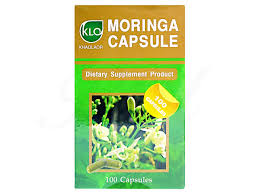
モリンガカプセル
| モリンガカプセル100錠 | モリンガカプセル300錠 | |
|---|---|---|
| 価格 | 2,700円 | 7,290円 |
| 1錠あたり | 27円 | 24円 |
モリンガカプセルは、1錠あたりに有効成分モリンガを450mg含んだ、天然成分でできたサプリメントです。
サプリメントのため、副作用はなく、安心して服用できます。
髪の毛に必要な栄養素を多く含んでいるため、偏った生活を送っている薄毛気味の人のオススメです。
野菜などが嫌いで、あまり食べないという人はモリンガカプセルをぜひ、食事の補助として試してみて下さい。
髪に不可欠な【亜鉛】
亜鉛は多くの方が聞いたことがある栄養素だと思いますが、主に味覚を保つ作用のある人体に不可欠な栄養素です。
実は、髪の毛の一部は亜鉛でできています。
亜鉛が毛の細胞の分裂を促すことにとって、新しい髪を生やしてくれます。
また、髪の毛はケラチンというたんぱく質でほぼ作られていますが、亜鉛はたんぱく質の合成を促す作用もあります。
以上の理由から、亜鉛が髪の毛の成長を助けてくれる栄養素であることが理解できたかと思います。
ZINC
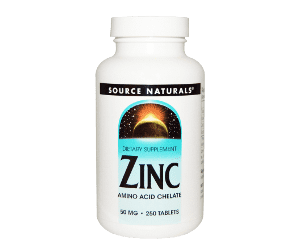
| ZINC250錠 | ZINC500錠 | |
|---|---|---|
| 価格 | 4,500円 | 8,100円 |
| 1錠あたり | 18円 | 16円 |
ZINCは、亜鉛を効率良く摂取するためにベストなサプリメントです。
有効成分に亜鉛50mg、カルシウム27mgを含み、一度に多くの亜鉛を摂取することができます。
価格も、1錠あたり16円~と大変お買い得な商品です。
髪を力強く作る【リジン】
リジンとは、人体を構成するうえで必要不可欠な必須アミノ酸の一つです。
リジンは、髪の成長に必要なたんぱく質を合成するために必要な栄養素です。
また、リジンは人に不足しがちなアミノ酸ということが研究で明らかになっており、サプリメントで補うのは非常に効率的だといえます。
プレミアムリジン
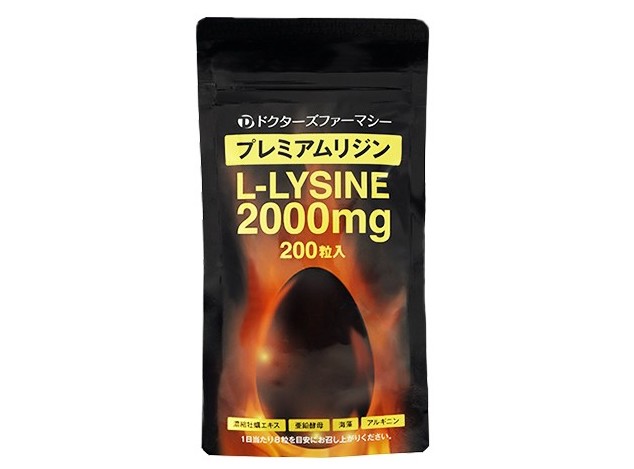
| プレミアムリジン200錠 | プレミアムリジン600錠 | |
|---|---|---|
| 価格 | 1,980円 | 3,960円 |
| 1錠あたり | 9円 | 6円 |
プレミアムリジンは、リジンに加え、牡蠣エキス、亜鉛酵母、海藻アルギニンを配合しているサプリメントです。
髪の毛に必要な栄養素をこれでもかというほど、詰め込んでいる商品で、髪の毛の生成を助けるだけでなく、疲労回復効果や美肌効果もあります。
また、サプリメントのため、副作用の心配もなく、気軽に服用することができます。
髪の健康を保つ【ビオチン】
ビオチンは一度は聞いたことがある栄養素だと思いますが、ビタミンB群に分類される水溶性ビタミンの一種です。
髪や爪の健康はビオチン次第というくらい、髪に深く関わっている栄養素で、不足してしまうと皮膚の病気や、食欲不振、うつ病などの症状が現れることがあります。
ビビスカルプロ
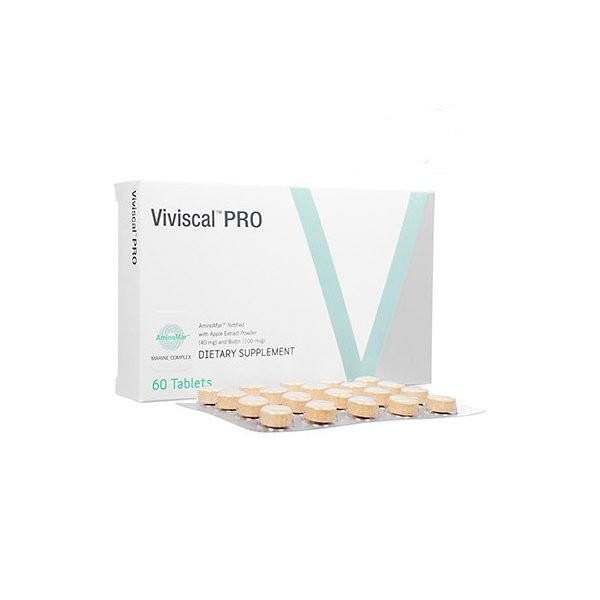
| ビビスカルプロ60錠 | ビビスカルプロ120錠 | |
|---|---|---|
| 価格 | 9,820円 | 19,170円 |
| 1錠あたり | 163円 | 159円 |
ビビスカルは、美容クリニックで処方されることもある育毛サプリメントです。
含まれる成分は主に、ビオチンと、AminoMar Cと呼ばれる海洋性たんぱく質複合体で、どちらも髪の毛の生成に欠かせない栄養素です。
3か月から6か月ほど継続して服用することで、効果を発揮してくれます。
ネイティブアメリカンが使っている【ノコギリヤシ】
ノコギリヤシはヤシ科の植物です。
ネイティブアメリカンが古来より使用してきたハーブとして有名で、AGA治療にもよく用いられます。
ノコギリヤシの脂肪酸には、AGAの原因である5α還元酵素の生成をおさえる効果があるとされています。
ノコギリヤシ
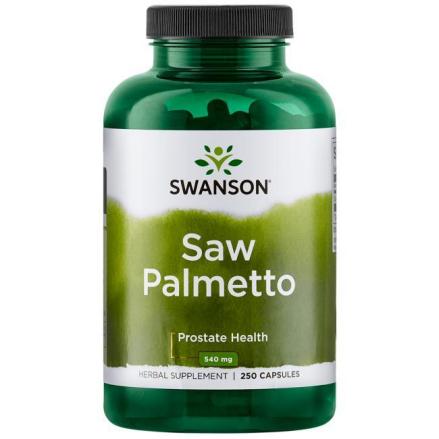
| ノコギリヤシ250錠 | ノコギリヤシ500錠 | ノコギリヤシ750錠 | |
|---|---|---|---|
| 価格 | 2,700円 | 4,860円 | 6,050円 |
| 1錠 あたり |
10円 | 9円 | 8円 |
Swansonが開発するソーパルメット(ノコギリヤシ)は、有効成分ノコギリヤシを540mgを含む、AGAや頻尿に効くサプリメントです。
価格は、1錠あたり8円程度で、非常にお求めやすい価格になっています。
また、Swansonは、アメリカでも最大規模の健康食品メーカーのため、その安全性は日本の厚生労働省にあたるアメリカのFDAが保障している折り紙付きです。
ノコギリヤシを定期購入するなら、間違いなくSwansonソーパルメットを買うべきでしょう。
まとめ
髪の毛の成長を助ける栄養素とサプリメントを紹介してきましたが、いかがでしたでしょうか。
お求めになりたい商品があれば幸いですが、どれもこれもと買ってしまうと懐に痛いですよね。
そこでオススメな購入方法が「ビビッときた商品だけ購入する」です。
つまり、「これは効果がありそうだなと思った商品だけ直感的に購入して、まず服用してみて効果を確かめてみる」という購入方法です。
まずは何でもかんでも買おうとせず、まず一種類という風に試してくのがベストだと思います。